

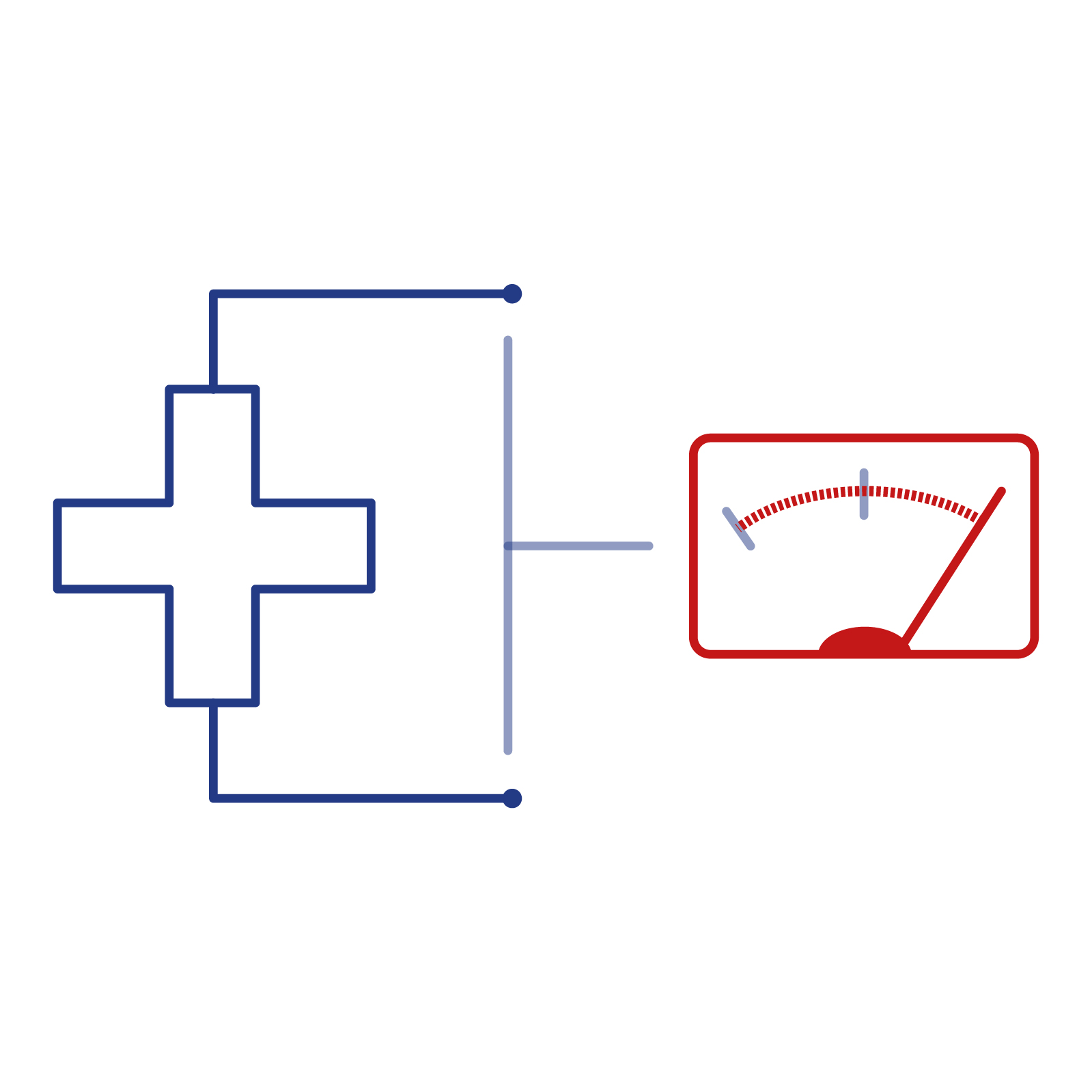
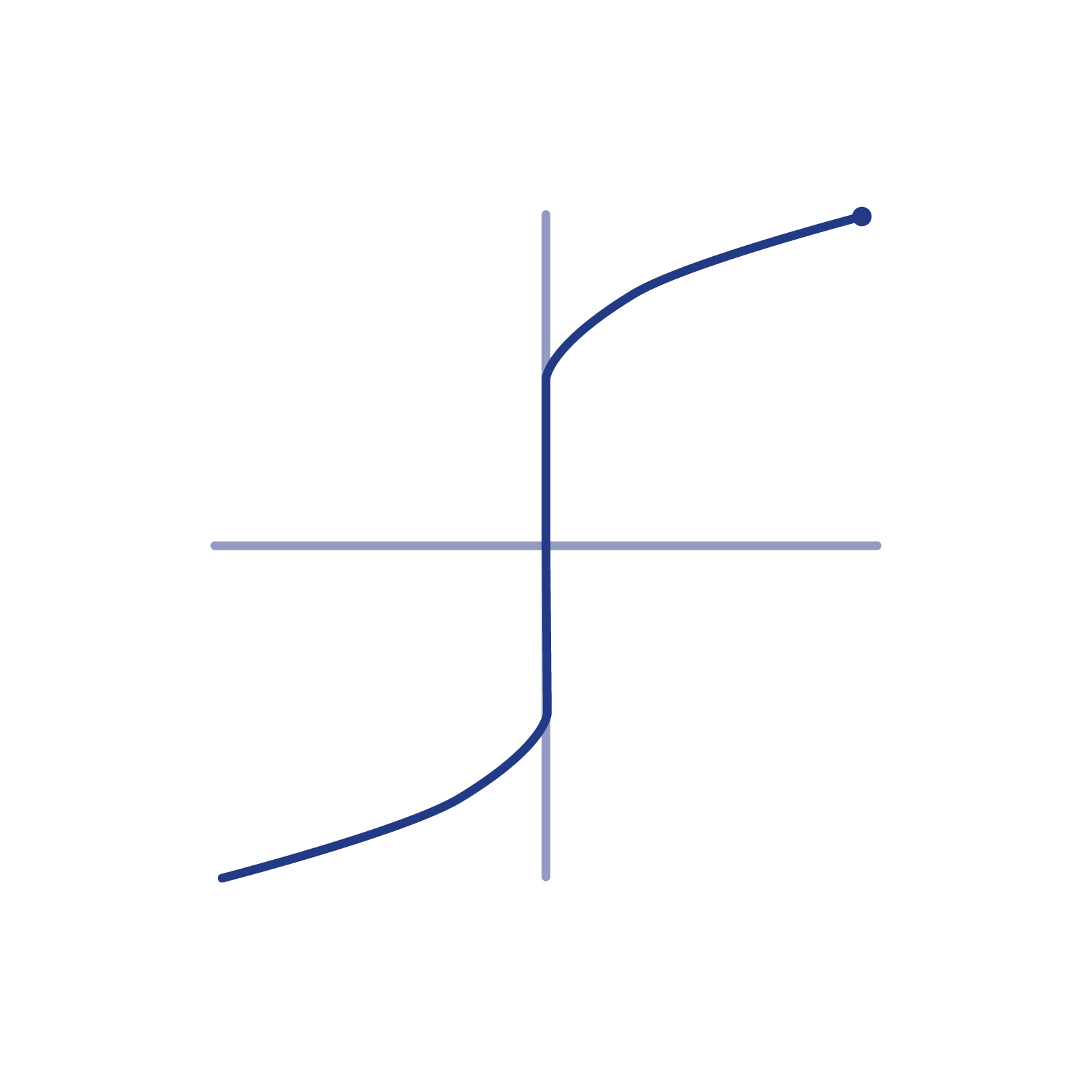
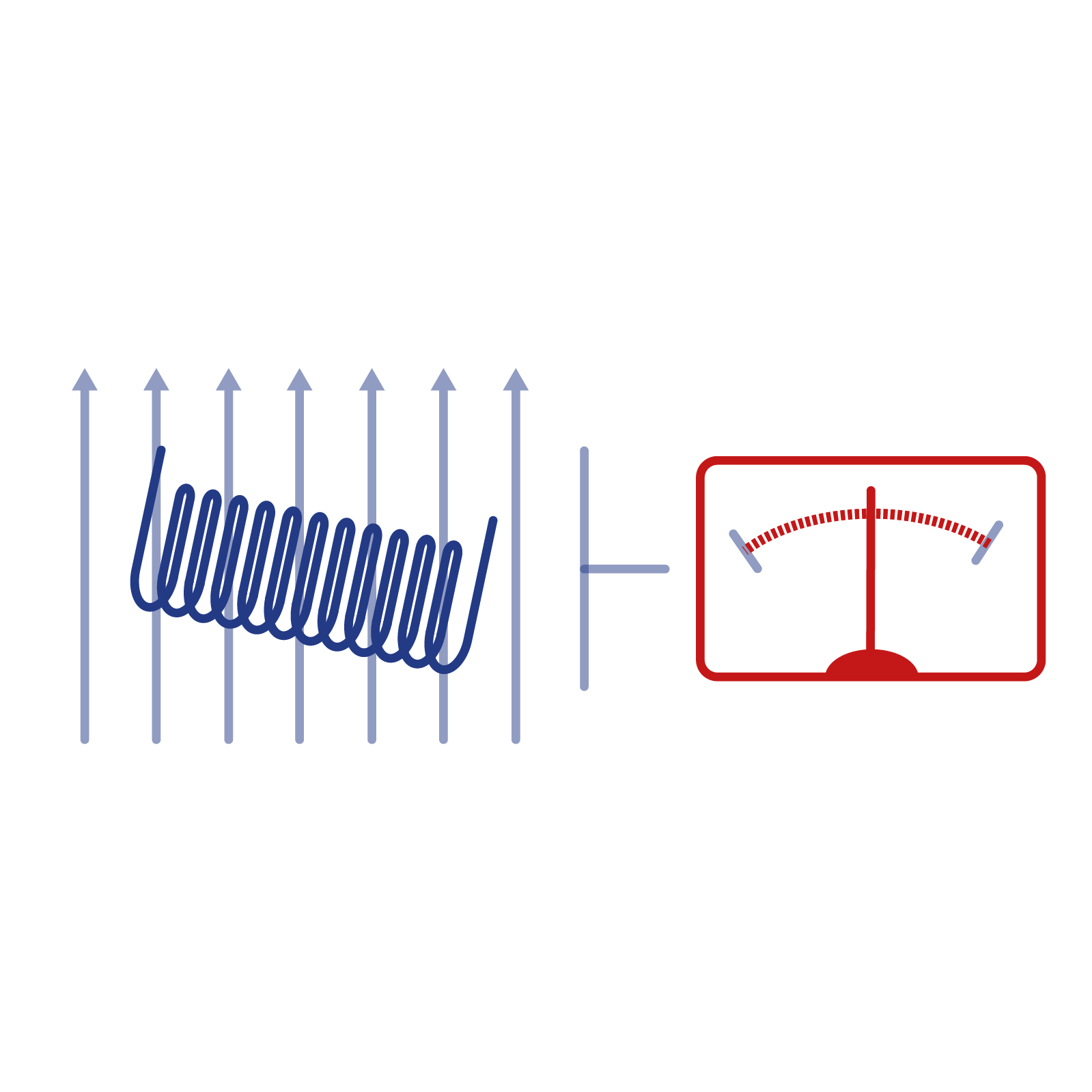
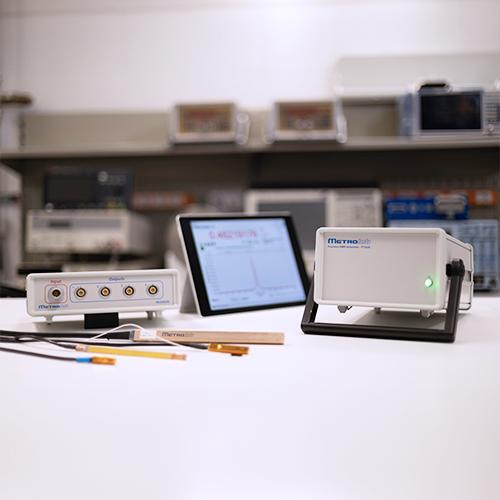
When physicists wanted to map accelerator magnets, they resorted to fluxmeters, one of the oldest methods of measuring a magnetic field. But not just any fluxmeter: high-tech instruments with digital output, 100's of partial integrals per second, and a resolution of up to 10 ppm. Gradually these fantastic instruments found their way into other applications, for example magnet manufacturing, pulsed B-H loop measurement, and even MRI research.
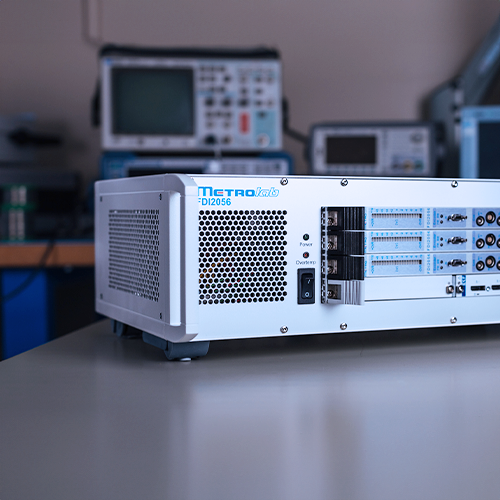
Metrolab's Precision Digital Integrator PDI5025 dominated this niche for over two decades. Now, the FDI2056 offers 100x the speed and 100x better resolution than its predecessor. Add to that its outstanding linearity and noise performance, wide range of input voltages, high accuracy and stability, automatic internal recalibration and real-time data acquisition capability, and you have the world's best magnetometer for measuring fast, low-level magnetic field disturbances such as eddy currents in a switched magnet.
The secret of the FDI2056's performance lies in its high-performance Programmable Gain Amplifier (PGA) and Analog to Digital Converter (ADC). The PGA, featuring high-precision, high-stability components, amplifies the input voltage by a software-selectable gain, ranging from 0.1 to 100.
The ADC combines speed (500 kSPS) and resolution (true 18-bit) with outstanding linearity and noise performance. High input voltages (±20 V max) minimize the effect of noise, and a programmable input range reduces the number of gain steps required in the PGA.
Finally, to reduce long-term drift errors to an absolute minimum and minimize incoherencies between different gain settings, the software can instruct the instrument to recalibrate itself at any time, without manual intervention or external instrumentation.
A voltage integrator must measure time as accurately as voltage. A 20 MHz Oven-Controlled Crystal Oscillator (OCXO), calibrated to better than ±10 ppb accuracy and with a specified stability of better than ±4 ppm over 10 years, controls the exact timing of the ADC. The Universal Time Counter (UTC) precisely measures the arrival time of the trigger pulse, with a resolution of 50 ns and minimal jitter and drift.
A Digital Signal Processor (DSP) computes the
partial integral of the voltage between two trigger pulses, using a
trapezoidal approximation. At the beginning and end of the partial
integral,
the exact arrival time of the trigger pulse is used to interpolate
between ADC samples, providing the ultimate in accuracy.
The partial integrals are transferred to the host computer via the PXI bus (PCI eXtensions for Instrumentation). A modern high-speed instrumentation standard, PXI guarantees compatibility and interoperability
with other instruments on the
mechanical, electronic and
software levels, as well as compatibility with your computer
via the universally accepted
PCI bus.
The software driver for the PXI interface is VISA (Virtual Instrument Software Architecture), a standard supported by all major instrumentation companies, on Windows, Macintosh and Linux operating systems. High-speed data transfer rates (up to over 1 MB/s) permit real-time data acquisition at any trigger rate.
Finally, a sophisticated graphical application handles the most common data
acquisition, correction, analysis and recording tasks.
For special requirements, custom programming is quick and easy, with full documentation, a sophisticate LabVIEW Application Programming Interface (API), full access to all our source code, and a simple register-based interface.
The predecessor of the FDI2056, the Precision Digital Integrator PDI5025, is no longer in production. Of course we continue to support this classic product, and manuals and software continue to be available for download.