



Metrolab

Home > Technology

Technology overviewTechnology Overview

Classifying magnetic measurement technologies

Many different technologies have been developed to measure magnetic field strength. Luca Bottura of the CERN classifies these technologies according to the range and accuracy they cover:

Only fluxgate and Hall devices have at this time found widespread commercial acceptance: fluxgate devices in low-field applications such as magnetic compasses, and Hall devices in a very broad spectrum of medium field industrial and laboratory applications.

Metrolab: high field, high precision

Metrolab masters three magnetic measurement technologies, covering the high-field, high-precision quadrant of technologies:


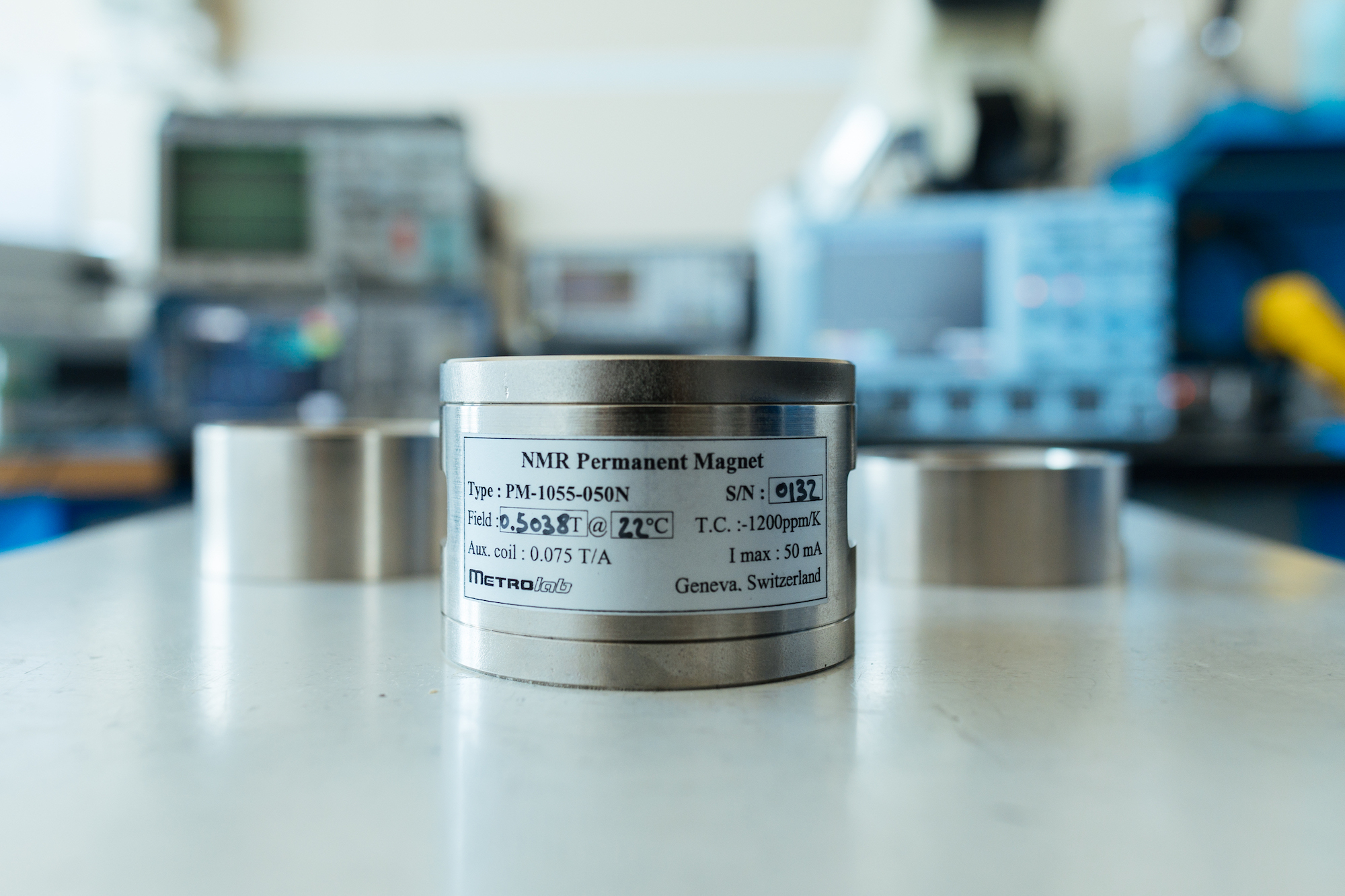
  • NMRFor slowly varying, uniform fields above about 10 mT, Nuclear Magnetic Resonance (NMR) is the gold standard of magnetic measurements, providing much better than 1 ppm resolution with practically no drift. Electron Spin Resonance (ESR, also called Electron Paramagnetic Resonance or EPR) provides similar performance at lower fields.

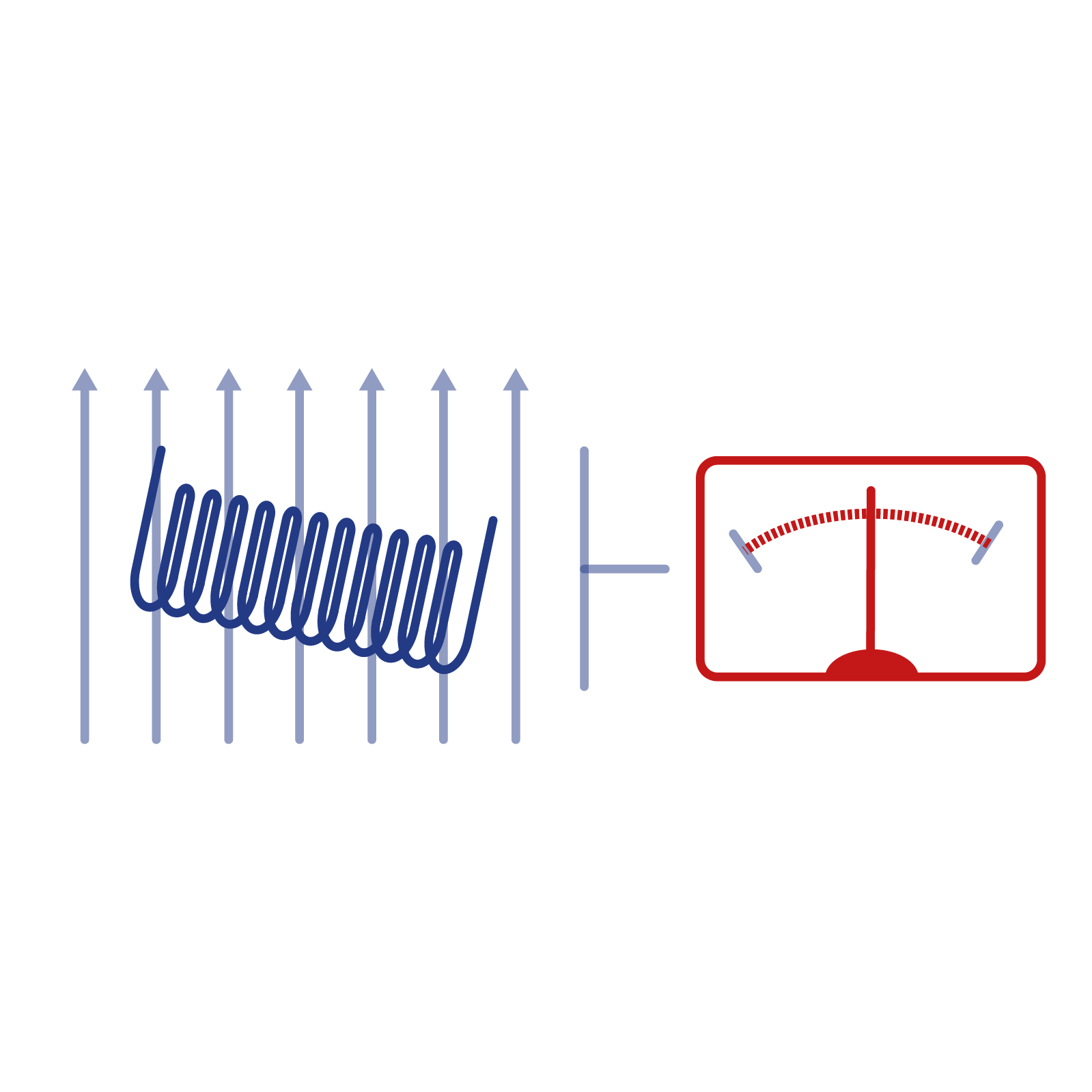
  • IntegratorFluxmeters integrate the voltage in a moving coil in a static field, or a static coil in a varying field. This is a time-honoured and extremely flexible measurement technique, suitable for a wide range of field strengths, geometries and frequencies.

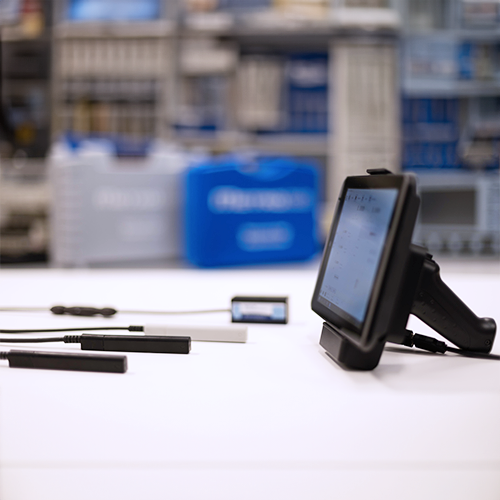
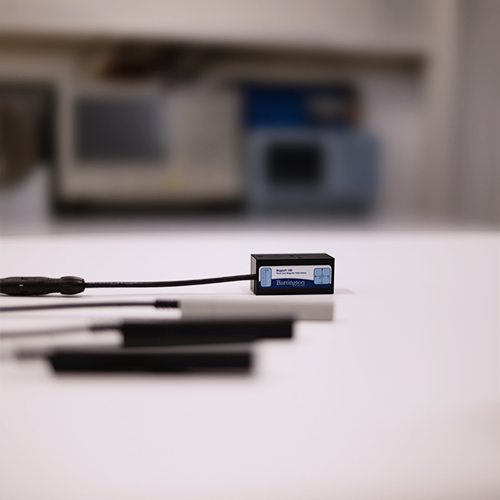
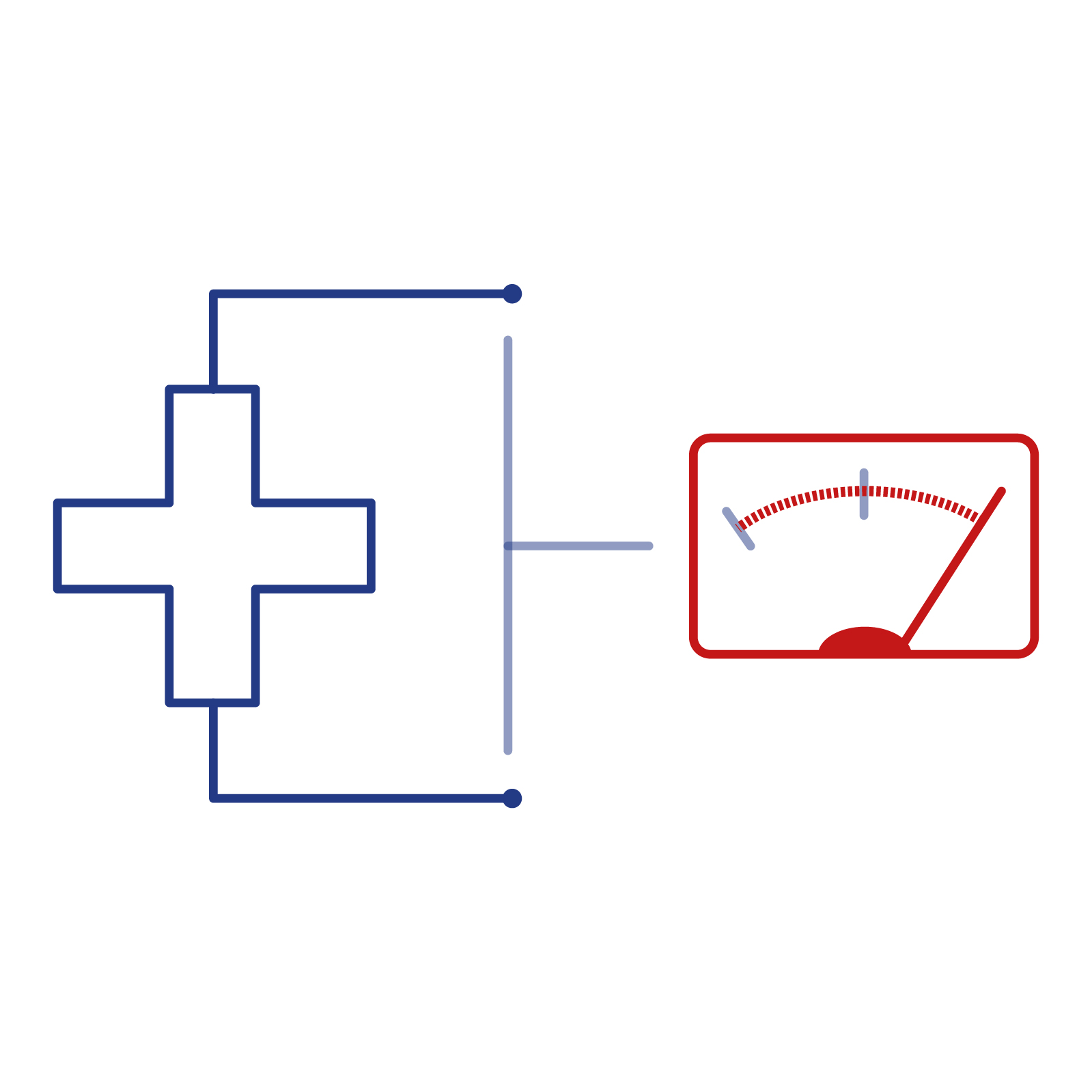
  • HallThree-axis Hall Magnetometers are easy to use and provide reliable, medium-precision measurements of all components of the magnetic field at a single point.

Choosing a magnetometer

Besides the basic measurement technology applied, choosing the best magnetometer for your application should include many other criteria:

  • Field component or field magnitude measurement: devices can measure 1, 2 or 3 components of the magnetic field, or an absolute field magnitude.
  • Measurement speed: this ranges from quasi-instantaneous – e.g. Hall devices – to many seconds – e.g. flux-meters with moving coils.
  • Frequency response: one distinguishes between DC applications – e.g. mapping static fields – and AC applications – e.g. ELF and VLF leakage measurements.
  • Temperature range: in particular, suitability for cryogenic applications.
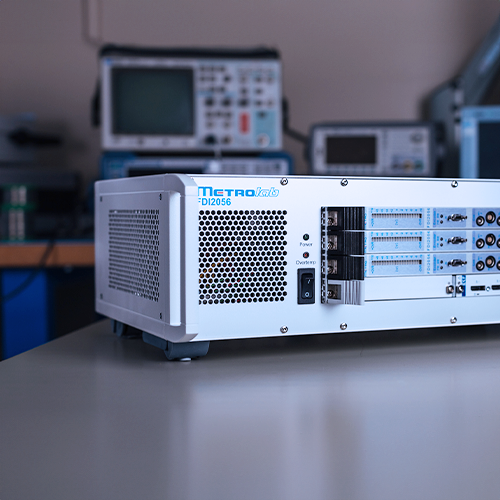
  • Packaging: common configurations include hand-held, bench-top or rack-mount.
  • Interfaces: these include interfaces to external probes or sense coils, computer interfaces, and interfaces for trigger signals.
  • Probe dimensions and characteristics: most applications are in some way constrained by the probe dimensions, ruggedness, cabling, etc.
  • Measurement volume: most devices attempt to measure the field strength at a single point, but some special-purpose devices are designed to measure an integrated field along a given path or volume.

Top

Follow us!

Subscribe on YouTube

Glossary

Magnetic measurement, like any specialty, has its own language. Things are complicated further by the terms specific to certain application areas, such as MRI or accelerators. This glossary provides short and simple definitions for many of these terms.